Debt Settlement vs. Debt Consolidation
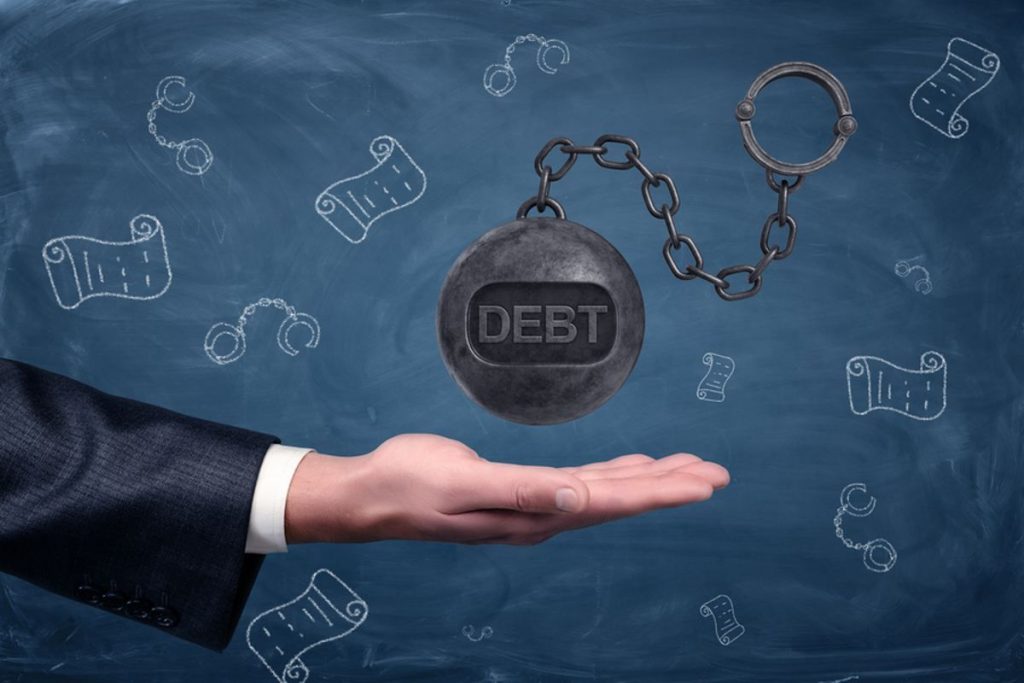
Debt Settlement vs. Debt Consolidation: Which Is Right for You in Dubai? If you’re juggling multiple debts in Dubai — credit cards, personal loans, maybe a mix of both — you’ve probably come across two terms that sound similar but work in completely different ways: debt settlement and debt consolidation. Choosing the wrong one can cost you time, money, and unnecessary stress. Choosing the right one can mean the difference between years of struggling to keep up and a clear, structured path to becoming debt-free. This guide breaks down exactly how each option works, who they’re best suited for, and how to decide which one fits your situation. What Is Debt Settlement? Debt settlement is the process of negotiating directly with your bank or creditor to reduce the total amount you owe. Rather than paying back the full balance plus accumulated interest and penalties, a negotiator works with the creditor to agree on a lower lump-sum or structured payoff amount — often by getting interest and late fees waived entirely.In Dubai, this typically applies to unsecured debts such as: Credit card balances Personal loans Some forms of overdue store or installment credit The bank agrees to a settlement because it’s often preferable to recover a reduced amount with certainty than to pursue prolonged recovery action with an uncertain outcome. The result for you: a meaningfully lower total debt, paid off faster than the original terms would have allowed. What Is Debt Consolidation? Debt consolidation works differently. Instead of reducing what you owe, it combines multiple debts into a single, simplified payment — usually with a lower overall interest rate and a more manageable monthly structure. For example, if you have three separate credit cards and a personal loan, each with its own due date, interest rate, and minimum payment, consolidation rolls all of that into one monthly payment to one lender or through one structured plan. This doesn’t reduce your principal balance the way settlement does — but it can significantly reduce the interest you pay over time, eliminate the risk of missing a payment because you lost track of multiple due dates, and make budgeting far more predictable. Which Option Saves You More Money? In most cases, debt settlement saves more money in absolute terms — because you’re reducing the principal balance itself, not just the interest rate applied to it. If your debt has already accumulated significant interest and penalty charges, settlement can sometimes cut the total amount owed substantially. However, settlement isn’t automatically the “cheaper” choice for everyone. If your debts are still relatively current — not yet in default, with manageable interest rates — consolidation can be the more cost-effective and lower-friction path, since it avoids the negotiation process altogether and simply restructures what you already owe into something easier to manage. Which Option Protects Your Credit Score Better? This is one of the most common concerns we hear from clients in Dubai, and the honest answer is: it depends on where your credit currently stands.If you’re already behind on payments, your Al Etihad Credit Bureau (AECB) report is likely already reflecting that — and settlement, while it does get noted on your file, typically allows you to resolve the debt faster and stop further damage from accumulating. A resolved, settled debt generally looks better over time than a debt that remains unpaid and continues to age on your record. If your accounts are still current and you simply want to avoid missing payments while reducing your interest burden, consolidation tends to have a gentler impact on your credit profile, since you’re not negotiating a reduced payoff — you’re restructuring on-time payments into a more manageable form. Real Scenario: When Settlement Makes Sense Consider someone in Dubai with AED 80,000 in credit card debt across two cards, both several months overdue, with interest and late fees accumulating monthly. The minimum payments alone barely cover the interest, meaning the balance keeps growing rather than shrinking. In a case like this, debt settlement is usually the stronger option. A negotiator can work with the bank to reduce the total balance — often by getting accumulated interest and penalties waived — and agree on a realistic payoff amount that actually resolves the debt, rather than letting it compound indefinitely. Real Scenario: When Consolidation Makes Sense Now consider someone with three separate obligations — a car loan, a personal loan, and a credit card — all current, all being paid on time, but spread across different due dates with different interest rates. The debt itself isn’t in crisis, but managing it is becoming stressful and inefficient. This is a textbook case for consolidation. Combining these into a single monthly payment, ideally at a lower blended interest rate, simplifies the household budget significantly and reduces the risk of an accidental missed payment damaging an otherwise healthy credit profile. How CreditCare Helps You Choose the Right Path The truth is, most people aren’t in a position to accurately assess which option is better for their specific situation — and guessing wrong can mean paying more than necessary or missing an opportunity to settle debt that’s already spiraling. At CreditCare Credit Management LLC, every engagement starts with a full, honest assessment of your financial position: every creditor, every balance, every interest rate, and your actual ability to repay. From there, we recommend — and negotiate — whichever path genuinely fits your circumstances, whether that’s: Debt Management — A broader structured plan combining elements of both, tailored to your full financial picture. Debt Consolidation — Combining multiple debts into one manageable monthly payment. Debt Restructuring — Adjusting loan terms and interest rates directly with your bank. Debt Negotiation — Direct negotiation with creditors to secure better terms or reduced settlements. We don’t push a one-size-fits-all solution. Our role is to identify what will genuinely get you to a debt-free outcome fastest and most affordably — and then handle the negotiation on your behalf. Get a Free Assessment of Your Situation If you’re unsure